
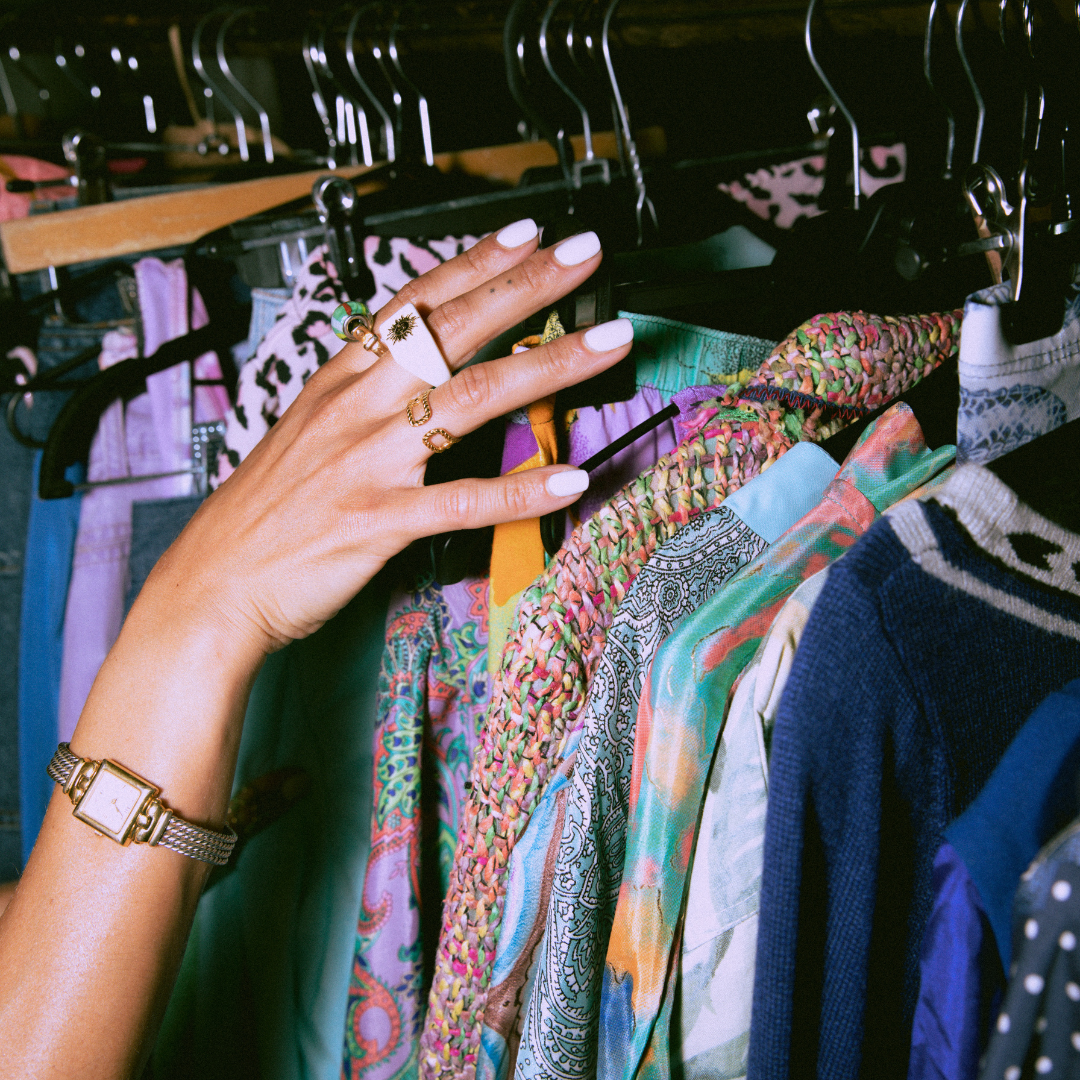
Thrift shopping offers a unique opportunity to find hidden gems at unbeatable prices. Many people enjoy the thrill of discovering vintage clothing, rare books, or unique home decor items that tell their own stories. To make the most of thrift shopping, it’s essential to go in with a plan and an open mind, focusing on what really appeals to each individual’s style and needs.
Understanding where to shop and when can significantly impact the thrift shopping experience. Certain days often bring new inventory, and some stores may offer discounts or specials that make purchases even more affordable. Being able to identify high-quality items and evaluate their worth can turn a simple outing into a rewarding treasure hunt.
Equipped with tips on assessing quality and finding the best deals, anyone can enjoy the benefits of thrift shopping. The key lies in patience, creativity, and a willingness to explore the unexpected.
Getting Started With Thrift Shopping
Thrift shopping offers a unique experience filled with potential treasures. Understanding the basics, choosing the right stores, and setting realistic expectations can enhance the thrifting journey.
Understanding Thrifting 101
Thrifting involves shopping for second-hand items, typically at thrift stores or consignment shops. These stores often carry donations, which can include clothing, furniture, and household goods. Goodwill and Salvation Army are prominent examples known for their wide selections.
It’s crucial for shoppers to maintain an open mind. The thrill of thrifting comes from the unpredictability of inventory. Each visit can yield different items, ranging from vintage clothing to unique home decor pieces. Shoppers should focus on what they need or want and be prepared to explore diverse styles and eras.
Choosing the Best Thrift Stores
Selecting the right thrift store can significantly impact the shopping experience. The best thrift stores often have organized layouts, diverse inventory, and reasonable pricing. Local Goodwill and Salvation Army locations are widely praised for consistently good finds.
Researching store reviews can provide insights into what to expect. Online platforms and social media often feature thrift store highlights. Additionally, some thrift shops host special sales on specific days that offer deeper discounts. Shoppers should not hesitate to explore multiple stores in their area to find hidden gems.
What to Expect From Thrift Shopping
Thrift shopping differs from traditional retail experiences. Shoppers can expect varied store atmospheres, often characterized by eclectic displays and an abundant selection of items. It’s important to manage expectations; while some days may yield outstanding finds, others may feel less successful.
Sifting through racks of clothes or shelves of items requires patience. Time management plays a key role because great items can be overlooked if one rushes. Shoppers should carry a reusable tote or bag for purchases and consider wearing comfortable clothing for easy changes. The process is not just shopping; it’s an adventure into the past, offering a chance to discover unique items that tell a story.
Essential Thrift Shopping Tips
Thrift shopping can provide excellent value and unique finds. To maximize savings and enhance the shopping experience, effective strategies are essential. Here are some practical tips to ensure a successful thrift shopping trip.
How to Save Money and Find Bargains
To save money, shoppers should familiarize themselves with the thrift store’s pricing. Many stores offer discounted days or special promotions that can lead to significant savings.
- Look for discounts: Some thrift stores have member programs or loyalty cards. Joining these can unlock exclusive sale days or additional discounts.
- Negotiate: In certain shops, bargaining might be acceptable. Being polite and friendly when inquiring about a price adjustment can occasionally yield results.
- Check for quality: Inspect items thoroughly for damage. Ensuring purchases are in good condition will prevent additional spending on repairs.
Effective Ways to Shop Off-Season
- Shopping off-season can significantly reduce costs. Retail prices skyrocket during peak seasons, while thrift stores often have year-round inventory.
- Plan ahead: For example, buying winter clothes in the spring can lead to substantial savings. Thrift shops typically have seasonal items tucked away.
- Focus on versatile pieces: Selecting clothing suitable for layering or for different occasions makes off-season shopping more practical. Items purchased now can be worn immediately or stored for later use.
- Stay informed about trends: Knowing what’s trending allows shoppers to identify future needs. Buying off-season means they can find items ahead of time at reduced prices.
Mastering the Return Policy
Understanding the return policy is vital when thrift shopping. Many stores have unique rules, so being well-informed can help customers avoid issues.
- Read the policy carefully: Some thrift stores may not accept returns, while others might impose strict time limits. Knowing this gives shoppers peace of mind.
- Inspect items before purchase: Ensuring items are free of defects minimizes the risk of dissatisfaction later. An informed decision leads to a more positive shopping experience.
Leveraging Dressing Rooms
Utilizing dressing rooms effectively can enhance the likelihood of finding perfect fits. Thrift stores may vary in their availability of fitting rooms.
- Ask for assistance: If a store has limited dressing room access, employees will often allow shoppers to try clothes on in designated areas.
- Bring essentials: Carrying a few basic items like a fitted top can help visualize how different pieces will work together. This can be particularly helpful for layering options.
- Take pictures: If trying something on isn’t possible, consider photographing items to compare later. This method assists in remembering appealing pieces and makes decision-making easier.
What to Look For: Curating Your Finds
When thrift shopping, the key to success lies in knowing what to seek. Identifying quality items, specific styles, and practical goods enhances the overall experience. Focus on the details to make informed choices.
Discovering Quality Used Clothing
Quality used clothing often reveals itself through fabric and construction. Items made from natural fibers like cotton, wool, or linen typically last longer and feel better against the skin.
Inspect seams for tight stitching and look for signs of wear, such as fraying or pilling. Brands known for durability often have a reputation that extends beyond their original retail price.
Check the care label, if available. This provides insights into the garment’s material and maintenance. Tools like fabric swatches can help gauge texture and longevity, aiding in the selection process.
Sourcing Vintage Pieces and Accessories
Vintage pieces add character to any wardrobe. Look for unique patterns, cuts, and designs that differentiate items from current trends.
Recognizing trusted vintage labels can be advantageous. Brands like Levi’s or Chanel have established histories of quality. Accessories such as bags, jewelry, and glasses can also be gems waiting to be unearthed.
Always verify authenticity, especially with high-value items. Researching the characteristics of vintage products assists in finding true treasures. Keep an eye out for unusual details that might indicate an item’s unique history.
Home Decor and Fabric Choices
Thrift stores often stock a variety of home decor items and fabrics. Look for unique pieces such as wall art, vases, or furniture that can elevate a space.
When considering fabric, inspect upholstery for stains or damage, but also for quality materials. Natural fabrics hold up better over time and offer versatile style options.
Check the craftsmanship of wooden items. Solid wood furniture is generally more durable than particleboard. Ensure that major components are intact and functional, like drawers or cabinet doors.
Exploring the Children’s Section
The children’s section in thrift stores can be a hidden treasure trove. It often includes used clothing that has barely been worn, along with toys and accessories.
Look for quality brands that emphasize durability and safety. Many children’s clothes retain their value as they are seldom worn for long periods.
Inspect toys for safety certifications and ensure they are free from major damage. Items like books can also be worthwhile finds, as they often remain in good condition. Seeking out outfits for special occasions can yield surprising results.
Expanding Your Thrift Shopping Experience
Engaging in thrift shopping can go beyond just visiting regular thrift stores. Exploring antique stores and flea markets can reveal unique finds, while building relationships with local shops can enhance the overall experience.
Visiting Antique Stores and Flea Markets
Antique stores and flea markets offer a different atmosphere for thrifting. Antique stores focus on vintage and collectible items, often providing high-quality goods that reflect history. Shoppers may find rare furniture, decor, or clothing that isn’t available in typical thrift shops.
Flea markets feature numerous vendors, allowing shoppers to experience variety in styles and prices. It’s common to discover handmade crafts, refurbished goods, and an assortment of curiosities. Visiting these markets requires some negotiation skills, as vendors may be open to bargaining on prices. Regular visits can lead to recurring findings and a better understanding of market trends.
Building Relationships With Local Shops
Developing connections with local thrift shops can significantly enhance the shopping experience. Familiarizing oneself with the staff can lead to tips on new arrivals or exclusive sales. Many shop owners appreciate loyal customers and may offer discounts or first dibs on unique items.
Joining loyalty programs or attending store events can deepen this relationship. Access to previews of new inventory is often a perk for regular shoppers. Sharing experiences and feedback with shop owners can create a mutually beneficial dynamic, where customers feel valued and shops can better cater to their clientele’s preferences.


