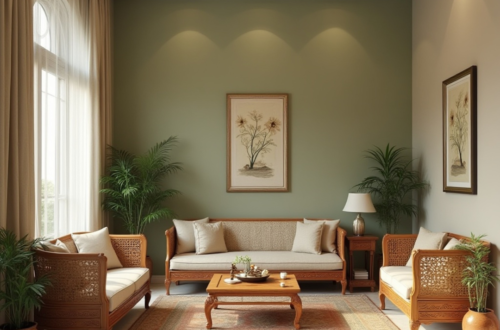
Organizing a small home requires smart use of space and intentional choices about what to keep. Maximizing vertical storage, decluttering regularly, and using multi-functional furniture are key strategies to create a more livable environment. These simple steps help you make the most of every square foot without feeling cramped.
Small homes can quickly feel cluttered if things are not well managed. By focusing on practical storage solutions and keeping only what is necessary, you can maintain order and improve daily living. This approach helps create a space that feels open, even if the footprint is limited.
Decluttering for Small Spaces
Successful decluttering begins with understanding what you own and making intentional choices about each item. It means recognizing value, creating manageable steps for sorting, and maintaining the process regularly to prevent clutter buildup.
Assessing Your Belongings
Start by taking stock of every item in your home without moving anything. Walk through each room and note what you use daily versus what sits unused for months or years. This helps prioritize what to keep and what is a candidate for removal.
Consider grouping similar items—like books, kitchen tools, or clothing—to see how much you actually possess. This comparison often reveals duplicates or unnecessary things. Be honest about sentimental value and practical use.
Use a simple three-box method for decision-making:
- Keep
- Donate/Sell
- Trash
This keeps the process organized and efficient.
Adopting a Minimalist Mindset
A minimalist mindset is not about owning nothing, but about keeping what provides genuine value or joy. Question the need for each possession before deciding to keep it. Ask yourself if an item serves a necessary function or enhances your daily life.
Minimalism encourages prioritizing quality over quantity. Choose versatile, multi-functional items that save space and reduce excess. Avoid impulse buying by creating a clear list of what you truly need.
This mindset shift also influences future habits. It prevents accumulation and supports living in a way that fits your space.
Effective Sorting and Purging
Sorting efficiently requires consistency and clear criteria. Set aside dedicated time blocks—preferably uninterrupted—to focus solely on decluttering one area at a time. Small, segmented efforts prevent feeling overwhelmed.
Use clear criteria during purging: items not used in the last six months, duplicates, those broken beyond repair, or things without emotional attachment should be removed. Photograph sentimental items if letting go of the physical object is difficult.
Label containers or designate areas for donation and disposal immediately. This prevents reintroducing clutter and speeds up removal from your home.
Establishing a Regular Decluttering Routine
Schedule decluttering like any routine task, ideally weekly or monthly, based on your lifestyle. Frequent small efforts prevent clutter from accumulating again.
Incorporate simple habits: putting things back immediately after use, handling mail and paperwork daily, and reviewing a small category regularly (e.g., one drawer or shelf). Maintaining visible organization helps sustain progress.
Use reminders or calendar alerts to stay consistent. This approach minimizes the stress of bulk decluttering sessions.
Maximizing Storage Solutions
Small homes require smart storage choices that make the most of every inch. Effective storage means using untapped spaces, selecting furniture that serves dual purposes, and integrating storage into the home’s structure.
Utilizing Vertical Space
Using vertical space means thinking beyond the floor. Install tall shelving units or wall-mounted shelves to keep items off surfaces and floors. Hooks and pegboards can store tools, kitchen items, or accessories.
Stackable storage bins or baskets help organize smaller items while freeing up drawer space. Consider hanging organizers on doors or closet walls to maximize every inch.
Vertical storage keeps clutter at bay and makes the most of limited square footage by extending usable storage upward.
Choosing Multi-Functional Furniture
Multi-functional furniture combines storage with daily use, saving space without sacrificing utility. Beds with drawers underneath utilize the area below for linens or clothing.
Ottomans and benches with hidden compartments can store blankets or magazines while serving as seating. Fold-out desks or tables provide workspace without permanently occupying the room.
Look for sofas with storage beneath cushions or coffee tables with shelves. These pieces provide practical solutions by performing more than one function.
Incorporating Built-In Storage
Built-in storage is custom-designed to fit small spaces precisely. Cabinets recessed into walls eliminate the need for extra furniture and reduce visual clutter.
Window seats with storage underneath take advantage of usually wasted space. Built-in shelves around doorways or corners create niche storage without encroaching on floors.
This approach integrates storage seamlessly into the architecture, improving flow and maintaining a clean, organized appearance.
Organizing Essential Areas
Maximizing space in a small home requires targeted approaches for key rooms. Effective storage, clear zones, and smart use of available surfaces are crucial for daily function.
Kitchen Storage Strategies
Use vertical space by installing wall-mounted shelves or magnetic strips for knives and utensils. Cabinets can be optimized with pull-out racks or tiered organizers to keep items visible and accessible.
Limit countertop clutter by designating zones: prep area, cooking station, and cleaning space. Store frequently used items, like spices and utensils, within arm’s reach. Use clear containers for dry goods to save space and maintain order.
Consider multipurpose furniture like fold-down tables or rolling carts for added prep and storage. Hooks for pots and pans free up cabinet space while keeping cookware handy.
Creating an Organized Living Room
Focus on multifunctional furniture with built-in storage, such as ottomans and coffee tables. Use baskets or bins for blankets, toys, and electronics to reduce visual clutter.
Create zones for different activities: seating, entertainment, and work or reading. Use rugs or lighting to define these areas clearly.
Shelving units should combine open and closed storage. Open shelves display decor, while closed cabinets hide clutter. Keep surfaces clear by limiting decorative items to a few key pieces.
Bedroom Space Optimization
Use under-bed storage boxes or drawers to hold off-season clothing or extra linens. Choose beds with built-in storage options for efficient use of limited floor space.
Closet organizers with adjustable shelves and hanging rods maximize vertical space. Use slim, uniform hangers to increase capacity and keep clothing neat.
Keep nightstands minimal and functional, storing only essentials. Wall-mounted shelves or hooks can replace bulky furniture in small bedrooms, freeing up floor area.
Smart Use of Small Home Layouts
Maximizing space in small homes involves purposeful division of areas, adaptable room separations, and strategic furniture placement. These approaches enhance usability, maintain openness, and improve movement flow.
Defining Zones in Open Plans
In open floor plans, create distinct zones using rugs, lighting, and furniture placement. Define the living area with a large rug under the sofa and coffee table. Use pendant lights or floor lamps to highlight work or dining spaces.
Arrange furniture to face each zone’s focal point, like a TV or dining table, to visually anchor each section. Avoid overcrowding by limiting pieces to essentials that serve a clear purpose within the zone.
Color and texture can also delineate spaces subtly. For example, a different wall color or textured wallpaper behind a dining set separates it from the living room without physical barriers.
Flexible Room Dividers
Opt for dividers that fold or slide to keep adaptability in small homes. Folding screens can be moved easily to open or close spaces as required, offering privacy or an open feel.
Curtains are another versatile choice. They can be drawn to section off a bedroom or workspace and pushed back to open the space. Track systems allow smooth operation over short distances.
Shelving units with open backs serve dual purposes. They act as partitions while providing storage without blocking light or airflow, crucial in small, confined areas.
Arranging Furniture for Flow
Position furniture to maintain clear pathways while maximizing usable space. Leave at least 2 to 3 feet of walking room between pieces to prevent a cramped feeling and allow smooth movement.
Use multifunctional furniture like ottomans with storage or fold-out desks to reduce clutter. Keep larger pieces against the walls to open central areas.
Consider angled furniture placement in irregular spaces. This breaks monotony and can create a more spacious feel by avoiding rigid, boxy arrangements.
Creating Efficient Entryways and Hallways
Entryways and hallways often serve as the first impression of a home and require practical solutions to maintain order. Prioritizing storage and smart use of vertical space can significantly improve functionality in these narrow or compact areas.
Shoe and Coat Storage
Designate specific spots for shoes and coats to prevent clutter. A bench with built-in shoe racks keeps footwear organized and offers a place to sit while putting on shoes. For homes without room for benches, narrow shoe cabinets or stacked cubbies work well.
Coat hooks or a wall-mounted rack near the door maximize convenience. Consider installing double hooks or multi-tiered hangers to hold several coats in a small space. Adding a small tray or mat underneath collects dirt and moisture, keeping floors cleaner.
Choose materials like metal or wood with easy-to-clean finishes for durability. Labeling compartments or assigning spots helps household members keep track of their belongings efficiently.
Maximizing Wall Space
Using vertical wall space is crucial in small homes. Install floating shelves to house keys, mail, or decorative baskets that hold miscellaneous items. High-mounted shelves free up floor space while keeping necessities accessible.
Mirrors placed on hallway walls create a sense of openness and serve a practical function. Hooks, pegboards, or magnetic strips can keep everyday items like umbrellas, hats, and bags neatly arranged and off the floor.
Wall-mounted organizers designed specifically for entryways reduce clutter and make good use of often-neglected areas. Keep items grouped by category to streamline access and maintain tidiness.
Utilizing Underutilized Spaces
Small homes require clever use of every inch. Identifying hidden areas and transforming them into functional storage can greatly improve organization and reduce clutter.
Storage Under Stairs
The space under staircases is often overlooked but offers excellent storage potential. Custom-built shelves, drawers, or cabinets fitted into this area can hold shoes, seasonal items, or household supplies.
Use pull-out drawers for easy access or open shelving for frequently used items. This space can also be converted into a compact workspace or reading nook by adding a small desk or bench with storage underneath.
Prioritize vertical organization inside the under-stair area, using hooks or pegboards for hanging items. Proper lighting enhances usability, ensuring the space doesn’t remain dark and neglected.
Maximizing Closet Potential
Closets in small homes must be optimized to serve multiple storage needs. Adding adjustable shelving helps accommodate items of varying sizes without wasting vertical space.
Incorporate slim, stackable storage bins or drawer organizers to keep smaller items grouped. Use double-hang rods to increase clothing capacity, and hooks on doors for bags or accessories.
Labeling storage containers improves efficiency by reducing time spent searching. Adding a small shelf near the top keeps rarely used items safely stored but out of the way.
Maintaining Organization in Small Homes
Consistent effort and planned timing are essential to keep small spaces tidy and functional. Simple routines and periodic reviews prevent clutter buildup and maintain order.
Developing Daily Habits
Create daily routines like making the bed, putting items back immediately after use, and wiping surfaces to sustain order. Use designated spots for keys, mail, and frequently used items to reduce random clutter.
Limit what enters your home by inspecting packages or mail daily. Spend 10 minutes each evening tidying, focusing on high-traffic areas such as the kitchen and living room.
Regularly empty trash bins and laundry baskets to avoid overflow. Visual reminders, such as checklists or alarms, can help reinforce habits, ensuring they become automatic.
Seasonal Reorganization
Set quarterly or seasonal dates to reassess belongings and storage solutions. Remove items no longer in use, repairing or donating when applicable to maximize space.
Seasonal rotation of clothing and decor can free up space in closets and cabinets. Use vacuum bags or under-bed containers for off-season items to maintain accessibility.
Adjust storage layouts to suit seasonal needs, such as swapping bulky winter gear for lighter summer essentials. Document changes in storage location for easy retrieval.
Personalizing and Decorating Small Spaces
Creating a personal atmosphere in a small home requires balancing style with practical space management. Selecting decor and accents that reflect your taste yet maintain openness is essential.
Incorporating Personal Style Without Clutter
Focus on a few meaningful items that express your personality instead of many small objects. Use vertical space to display artwork or photos to keep surfaces clear.
Choose multifunctional furniture with built-in storage, like ottomans or benches, to reduce visible clutter. Textiles such as throw pillows or rugs can introduce color and pattern without taking up extra room.
Limit decorations to a consistent color palette to avoid a chaotic look. Rotate or swap items seasonally to keep your space fresh without adding more things.
Choosing Decor That Enhances Space
Opt for light colors that reflect natural light, helping rooms feel larger. Mirrors placed across from windows amplify brightness and depth visually.
Select slim-profile furniture to maximize floor space and improve traffic flow. Transparent pieces made from glass or acrylic reduce visual bulk in tight areas.
Use wall-mounted lighting instead of floor or table lamps to free up surfaces. Small plants or succulents brighten rooms without overwhelming them.
| Decor Tip | Reason |
| Light paint colors | Opens the space visually |
| Mirrors | Adds light and depth |
| Slim furniture | Saves floor space |
| Wall lighting | Clears surfaces |
| Small plants | Adds life without clutter |