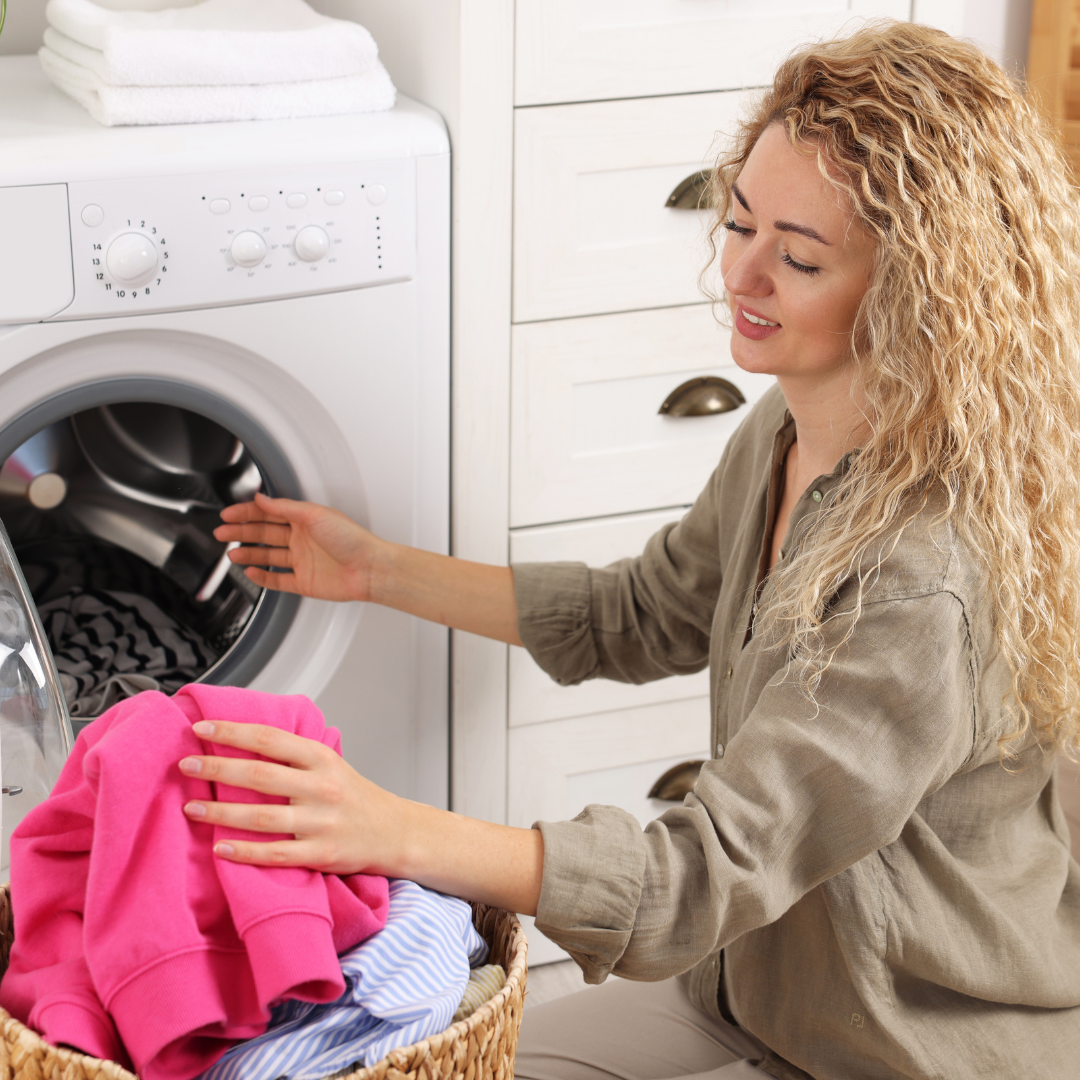
Organizing daily household routines starts with identifying essential tasks and setting consistent times for each activity. Creating a simple, repeatable schedule helps reduce decision fatigue and keeps the household running smoothly.
Breaking down chores into small, manageable steps prevents overwhelm and ensures that no important tasks are overlooked. Using tools like checklists or digital reminders can support staying on track every day.
A well-structured routine balances responsibilities across everyone in the home, making it easier to maintain order and cleanliness. This approach saves time and energy, allowing more focus on other priorities.
Establishing a Daily Household Routine
Creating structure in daily tasks improves efficiency and reduces stress at home. Knowing the benefits, understanding specific household demands, and setting achievable objectives are essential steps.
Benefits of Daily Routines
Daily routines provide consistency, helping everyone know what to expect. This reduces confusion and decision fatigue. When chores and tasks are scheduled, time is used more efficiently, making the household run smoothly.
Routines also create habits that automatically maintain cleanliness and order. Repetition helps tasks become second nature, decreasing the chance of procrastination. Stress levels drop as responsibilities feel more manageable.
For families, routines foster cooperation by clarifying roles. Children and adults can share duties clearly, supporting teamwork. Predictability benefits mental well-being by establishing control over daily demands.
Identifying Household Needs
Evaluate your household’s size, members, and lifestyle. List key areas needing attention, such as cleaning, laundry, meals, and maintenance. Include unique needs like pet care or remote work setups.
Consider time constraints and priorities. Some tasks require daily attention, like dishes, while others might be weekly, such as vacuuming. Assess which chores affect overall comfort and safety most.
Use a simple chart or checklist to categorize tasks by urgency and frequency. This visualization helps focus on critical areas first. Tailor the routine to fit when household members are available to participate.
Setting Realistic Goals
Set achievable tasks to avoid burnout or frustration. Start with small, consistent efforts rather than attempting a full overhaul. For example, aim to tidy one room daily, not the entire house every day.
Define clear time frames for tasks, such as 15 minutes for morning cleanup. Allocate specific times to establish predictability. Use reminders if necessary to reinforce the habit.
Adjust goals as needed based on success and changing needs. Flexibility prevents discouragement. Clear, measurable objectives create momentum and improve long-term routine adherence.
Prioritizing Household Tasks
Effective household routines depend on distinguishing what must be done from what can wait, managing available time wisely, and sharing tasks among household members. Prioritizing enhances efficiency and reduces stress by focusing effort where it matters most.
Essential Versus Non-Essential Activities
Identify tasks critical for health, safety, and daily functioning, such as cleaning kitchen surfaces, laundry, and meal preparation. These should take precedence over activities like decorating or deep cleaning, which can be scheduled less frequently.
Use a simple two-column list to sort tasks:
| Essential Tasks | Non-Essential Tasks |
| Washing dishes | Organizing pantry items |
| Taking out trash | Dusting decorative items |
| Preparing meals | Rearranging furniture |
Focus energy on essential tasks each day to maintain a clean and functional home. Non-essential activities can fill in gaps when time allows.
Time Management Techniques
Break household chores into timed segments to avoid burnout and improve focus. Using a timer for 15-30 minutes on specific tasks can make large projects less overwhelming.
Try these methods:
- Time blocking: Assign fixed times for tasks throughout the day.
- Task batching: Group similar chores together, like all laundry-related work.
- Priority lists: Rank chores daily by urgency and importance.
Adjust the schedule as needed, but stick to designated time slots to maintain consistency and control over your routine.
Delegating Responsibilities
Assigning tasks to other household members increases productivity and shares the workload fairly. Clearly define duties based on ability and availability.
Create a chart listing:
- Each member’s name
- Assigned tasks with frequency (daily, weekly)
- Deadlines or preferred completion times
Example:
| Name | Tasks | Frequency |
| Alex | Vacuumthe living room | Twice week |
| Jamie | Take out trash | Daily |
| Pat | Grocery shopping | Weekly |
Regularly review task assignments and adjust as household needs change to ensure balance and accountability.
Creating a Structured Daily Schedule
A well-structured daily schedule breaks down tasks by time of day to increase efficiency and reduce stress. Prioritizing tasks and allocating specific time slots helps maintain balance and ensure important chores are completed consistently.
Morning Household Tasks
Start the day by focusing on quick, essential chores that set a productive tone. Making the bed, wiping down kitchen surfaces, and putting away overnight items usually take 15–30 minutes. These small actions prevent clutter buildup.
Next, handle laundry if needed. Sorting clothes before breakfast saves time later. Preparing a simple breakfast while loading the dishwasher or tidying around the kitchen keeps momentum. Morning tasks are best kept short and manageable to avoid overwhelming the rest of the day.
Afternoon Chores and Errands
Afternoons are ideal for more time-consuming tasks and outside errands. Schedule activities like vacuuming, sweeping floors, and dusting furniture during natural energy dips. Group errands, such as grocery shopping or mailing packages to combine trips.
Use tools like a checklist or a mobile app to track these chores. Taking breaks between tasks helps maintain focus. Aim to complete all high-priority chores before late afternoon to avoid last-minute rushes.
Evening Routine Planning
Evenings should focus on wrapping up the day and preparing for the next. Clear the dining area after dinner, wash dishes, and wipe counters. Quick tidying, like organizing living spaces, ensures the home is ready for relaxation.
Plan the next day’s top tasks before bed. Set reminders or write a to-do list to reduce morning confusion. Ending the day with a calming routine maintains order and supports better rest.
Incorporating Cleaning and Maintenance
A solid daily routine includes specific cleaning tasks, smart organization of clutter hotspots, and scheduled upkeep of household systems. Each element supports a cleaner, safer, and more efficient living space.
Daily Cleaning Checklist
Create a checklist targeting essential daily tasks to prevent buildup. Include:
- Wiping kitchen counters and the dining table
- Sweeping or vacuuming high-traffic areas
- Cleaning bathroom sinks and mirrors
- Sorting mail and trash to avoid pileups
Set a fixed time for these tasks, preferably morning or evening, to develop consistency. Use a whiteboard or a digital app to track progress and adjust as needed. Prioritize quick wins that visibly improve the home’s tidiness every day.
Organizing Mess-Prone Areas
Identify areas prone to clutter, like entryways, kitchen countertops, and living rooms. Install hooks, baskets, or shelves to designate spots for keys, mail, and frequently used items.
For example:
| Area | Storage Solution | Purpose |
| Entryway | Wall-mounted hooks | Hang coats and bags |
| Kitchen | Drawer dividers | Separate utensils |
| Living Room | Closed storage bins | Hide remotes and magazines |
Routine decluttering twice a week helps keep these zones manageable. Label containers to maintain order and ensure everyone knows where things belong.
Routine Maintenance Tips
Set monthly reminders for basic maintenance tasks to avoid larger problems. Tasks include:
- Changing HVAC filters
- Testing smoke detectors
- Inspecting plumbing for leaks
Keep a maintenance log to record dates and completed work. This improves accountability and helps spot patterns that might require professional attention. Simple upkeep extends the longevity of household systems and prevents costly repairs.
Meal Preparation and Planning
Organizing meals requires intentional planning and efficient steps to reduce daily stress. Focusing on creating a plan, optimizing shopping trips, and prepping ingredients saves time and energy throughout the week.
Building a Weekly Meal Plan
Start by choosing meals for each day, balancing variety and simplicity. Use a template or app to map out breakfast, lunch, and dinner. Include options for leftovers to minimize cooking every day.
Consider dietary needs and schedule constraints when selecting recipes. Plan meals that share ingredients to avoid waste and extra shopping. Prioritize quick meals for busy days and more involved recipes when time allows.
Create a flexible plan that you can adjust. Review it weekly to accommodate changes or cravings. Writing down meals reduces last-minute decisions and helps maintain a healthy diet.
Streamlining Grocery Shopping
Prepare your grocery list based on your meal plan to avoid impulse buys. Group items by category, such as produce, dairy, and pantry goods, to speed up shopping.
Use digital lists on your phone or printed lists to keep track in-store. Check thecurrent pantry inventory before finalizing your list to ensure you don’t buy duplicates.
Shop during off-peak times to reduce time spent waiting in lines. Consider online grocery shopping or delivery services if available to further save time and effort.
Prepping Ingredients in Advance
Dedicate a 30-60 minute window each week to prep ingredients for upcoming meals. Wash, chop, and portion vegetables. Pre-cook grains or proteins that can be stored safely.
Use clear containers labeled with dates to maintain freshness and make identification easy. Prepping ingredients in advance reduces daily cooking time and decision fatigue.
Store prepped ingredients in appropriate conditions to extend shelf life. Planning ahead helps meals come together quickly, especially during busy weekdays.
Managing Laundry and Clothing Organization
Effective laundry management and well-organized clothing storage save time and reduce stress. Planning specific wash days and keeping closets tidy can improve daily routines.
Setting Laundry Schedules
Create a laundry schedule based on household size and fabric types. Assign specific days for washing whites, colors, delicates, and heavy items like towels or bedding. For example:
| Day | Laundry Type |
| Monday | Whites |
| Wednesday | Colors |
| Friday | Towels & Bedding |
| Saturday | Delicates |
Use reminders or calendar alerts to maintain consistency. Sort clothes immediately into designated hampers to avoid last-minute sorting. Completing laundry in smaller, frequent loads prevents buildup and ironing delays.
Organizing Closets and Drawers
Group clothing by type and frequency of use for easier access. Use dividers and labeled bins to separate items like socks, underwear, and accessories. Hang seasonal or frequently worn clothes at eye level.
Fold heavier items like sweaters to avoid stretching. Keep a donation box nearby for clothes no longer worn, and schedule quarterly decluttering sessions. This minimizes clutter and maximizes space.
Family Involvement and Communication
Effective household routines require clear roles and regular coordination within the family. Sharing tasks evenly and holding consistent discussions helps prevent confusion and keeps everyone accountable.
Assigning Household Responsibilities
Start by listing all necessary daily chores, such as dishes, laundry, meal prep, and cleaning. Assign tasks based on each family member’s age, ability, and schedule to ensure fairness and efficiency.
Use a visible chart or app to track who is responsible for what each day. Rotate chores weekly to avoid burnout and keep engagement high. Clearly defining duties helps hold everyone accountable and reduces overlap or missed tasks.
Include children in the decision-making process to encourage ownership. Explain why each task matters and set realistic expectations. This fosters cooperation and helps develop important life skills.
Using Family Meetings for Coordination
Schedule brief family meetings at least once a week. Use this time to review completed tasks, adjust assignments, and address any conflicts about routines.
Keep meetings focused and structured with an agenda. Discuss upcoming events or schedule changes that might affect chores. Use this opportunity to celebrate successes and encourage teamwork.
Encourage open communication and active listening. Family meetings increase transparency and allow members to express concerns or suggest improvements, keeping routines flexible and effective.
Adapting Routines to Changing Needs
Household routines must accommodate shifting schedules and unexpected demands. This requires a balance of flexibility and clear strategies for managing tasks that arise without notice.
Flexibility in Daily Schedules
Rigid routines can cause stress when plans change. Allow time buffers between activities to handle delays or urgent needs. For example, schedule chores with some leeway rather than fixed start times.
Adjust priorities based on current circumstances. If a child’s school schedule changes, rearrange cleaning or meal prep tasks accordingly. Communicate these shifts clearly with all household members to maintain cooperation.
Using tools like digital calendars or task apps helps visualize and modify daily plans quickly. Color-coding tasks by priority or type can further enhance adaptability without losing track of important duties.
Managing Unexpected Tasks
Unplanned tasks are inevitable. Create a simple system to quickly integrate these into the day, such as a “to-do now” list for urgent items and a “to-do later” list for less critical tasks.
Keep basic supplies and tools accessible to handle minor emergencies fast. For example, store cleaning supplies in multiple convenient locations to reduce retrieval time.
Regularly review and adjust the list at set times, like after meals or before bedtime, to ensure nothing accumulates unnoticed. This prevents small tasks from disrupting the entire routine.
Utilizing Tools and Technology
Modern tools and technology can streamline daily household routines by improving organization and communication. Digital and physical resources each offer practical solutions that fit different needs and preferences.
Apps for Household Management
Apps designed for household management can track tasks, schedules, and shopping lists. Popular choices like Todoist, Cozi, and OurHome allow users to assign chores, set reminders, and monitor progress from smartphones.
Features such as shared calendars help coordinate family activities. Grocery list apps can sync in real-time, reducing duplicate trips or forgotten items. Many apps also include budgeting tools to manage household finances alongside daily tasks.
Security and privacy vary, so choose apps that encrypt data and offer controlled access. Free versions cover basic needs, while paid tiers add features like task automation and priority support.
Printable Planners and Checklists
Printable planners and checklists offer a tactile alternative for organizing routines. They provide clear, visible reminders and can be customized with sections for daily chores, meal planning, and maintenance schedules.
Templates for weekly or monthly calendars help track deadlines and appointments in one place. Checklists work well for repetitive tasks, ensuring nothing is missed during busy days.
Using color codes and stickers can increase motivation and make tracking progress more engaging. These printables require no tech skills and can be placed in high-traffic areas for easy reference.
Sustaining Motivation and Consistency
Maintaining daily household routines requires clear ways to measure your efforts and intentional strategies to keep yourself motivated. Consistent tracking and meaningful rewards help build long-term habits.
Tracking Progress
Use simple tools to monitor your routine completion daily. A calendar or habit-tracking app provides visual proof of your achievements and highlights patterns.
Mark tasks as done each day to create a chain. Breaking the chain triggers a reminder to refocus. This method builds accountability without pressure.
Consider tracking frequency, time spent, or quality for tasks like cleaning or meal prep. Adjust goals if progress stalls, making achievements realistic and manageable.
Create weekly summaries to evaluate success and identify challenges. Reflecting regularly helps maintain momentum and make necessary adjustments.
Reward Systems for Motivation
Linking rewards directly to task completion enhances motivation. Choose small, immediate rewards for daily achievements, such as a 5-minute break or a favorite snack.
For weekly or monthly goals, plan larger rewards like a movie night or a new household item. This creates incentives for sustained effort.
Avoid rewards that undermine routines, such as unhealthy food when working on diet-related tasks. Align rewards with overall household goals.
Track earned rewards clearly using a checklist or jar system. This visible progress reinforces positive behavior and strengthens commitment.
Evaluating and Improving Household Routines
Regularly assessing household routines ensures they remain effective and realistic. Set aside time weekly or monthly to review how well tasks are being completed and whether the schedule fits everyone’s needs.
Use clear criteria to evaluate routines such as time efficiency, stress levels, and consistency. Ask questions like: Are chores taking too long? Is anyone feeling overwhelmed? Are some tasks being skipped regularly?
| Criterion | Questions to Ask | Possible Adjustments |
| Time Efficiency | Are tasks completed in a reasonable time? | Reduce steps or swap tasks between days |
| Stress Levels | Does anyone feel burdened? | Redistribute chores or add breaks |
| Consistency | Are routines followed daily? | Add reminders or simplify the plan |
Improving routines often requires small changes. These might include delegating tasks differently, combining chores, or using tools like timers and checklists to keep on track.
Encourage open communication among household members. Feedback helps identify pain points and motivates collaboration for better routines.
Flexibility is key. Adjust routines to accommodate changing schedules or priorities. Regular evaluation and willingness to modify plans help maintain efficient daily household management.