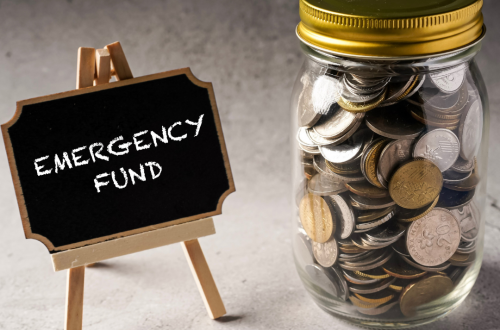
Do we want to finally take control of our finances and start saving for our future goals? Building a budget may seem daunting, but it’s the first step toward financial freedom. In this post, we’ll create a guide on how to build a budget that works for us – one that considers our income, expenses, and financial goals. Say goodbye to financial stress and hello to peace of mind with our helpful tips and tricks!
Determine Income and Expenses
When it comes to budgeting, one of the most important things we can do is to determine our income and expenses. This will give us a clear picture of where our money is going and where we need to cut back.
To start, list out all of our sources of income. This could include our salary, any investments or savings, and any other regular sources of revenue. Once we have the list, we can add all the numbers to get the total monthly income.
Next, compile a comprehensive list of all expenses, including both fixed and variable costs. Fixed expenses, such as rent or mortgage payments, remain consistent each month, while variable expenses, like groceries, entertainment, and home repairs such as paver patio restoration, mold remediation, and roof installation, may fluctuate. It is essential that you make sure that you budget for these as any issues could crop up at any moment, resulting in the need for extra expenses to go towards it. So whether you need patio restoration or drywall repair in Wichita, you will have the money to handle it.
Ensure that you account for all potential expenses, including those related to daily living, maintenance, and unexpected emergencies. By including both fixed and variable costs, you can accurately assess your total monthly expenses and better manage your budget.
After listing all expenses, calculate the total sum to gain a clear understanding of your monthly financial obligations. This comprehensive approach to budgeting empowers you to make informed decisions about spending and saving, ultimately helping you achieve financial stability and peace of mind.
Reduce Expenses and Increase Income
There are so many possibilities to lower expenses while increasing income. The most obvious is to spend less money. Making and keeping to a budget is a great way to achieve this. Increasing our income is another option. More hours at work, a second job, or any other means of boosting earnings will accomplish this goal.
Another way to reduce expenses is to cut out unnecessary costs. For example, if we have a gym membership but never use it, consider canceling it. Or, if we eat out frequently, try cooking more meals at home. There are many ways to save money if we are willing to be creative and disciplined.
Remember that our goal should be to create a budget that works for us. Let’s not be too tight-fisted with our money, or we’ll wind up resentful and frustrated. And let’s not be too lax with our budgeting, or we may be in financial trouble. Find a happy medium that allows us to live within our means while still enjoying our life.
Create a Realistic and Achievable Budget Plan
One of the most challenging yet essential aspects of personal finance is creating a budget that works for us. A budget serves as a valuable tool for tracking our cash flow, which helps us plan how to spend, save, and invest our money effectively.
The first and most crucial step in creating a budget is understanding our income. It’s important to have a firm grasp of our regular cash flow, and if our income fluctuates, we should account for any expected or unexpected changes. To get a clear picture of where our money goes, we should track our spending for at least one month. This tracking will help us identify areas where we can reduce expenses.
Once we have a clear understanding of our spending patterns, we can set financial goals, such as saving for a down payment on a house or paying off debt. Having specific goals will enable us to make informed financial decisions. Subsequently, we need to adjust our budget to align with these goals. It’s essential to include non-negotiable expenses, such as rent, mortgage payments, and savings, in our budget.
Finally, reassessing our budget at least once a month is crucial to ensure it remains realistic and achievable. If you are a busy person who can’t find time to do this, it might be beneficial for you to consult a financial planner hong kong or the likes in your area who can provide financial strategies to manage our finances effectively. These professionals may also help in budgeting and tracking cash flow in order to save for future needs.
Try Using Budgeting Tools and Apps
Many budgeting tools and apps are available to help us create a budget that works for us. These include Mint, You Need a Budget (YNAB), EveryDollar, and PocketGuard.
Mint is a free online budgeting tool that can help us track our spending, create a budget, and more. YNAB is a paid app that allows us to create a budget based on our income and expenses.
EveryDollar is another paid app that helps us to create a budget and track our progress. PocketGuard is a free app that helps us to track our spending and stay within our budget.
When choosing a budgeting tool or app, finding one that fits our needs and lifestyle is essential. Some people prefer the simplicity of Mint, while others find the features of YNAB or EveryDollar more helpful. There is no wrong choice – it ultimately comes down to finding what works best for us.
With the right budgeting tool or app, we can take control of our finances and get on track to reaching our financial goals.
Set Financial Goals
Having clear financial goals is essential when crafting a budget. We need to ask ourselves what we intend to use the money for and what our long-term financial aspirations are. Once we have a clear picture of our objectives, we can collaborate with certified financial advisors to allocate our resources effectively.
Our budget should be flexible enough to accommodate our goals. If we’re trying to save for a down payment on a house, for example, we’ll need to ensure that our housing expenses don’t consume all of our income. If our goal is to pay off debt, we must establish manageable monthly payment obligations.
Once we’ve set our financial goals, tracking our progress is time. This will help us stay on track and maximize our budget. There are several ways to do this, but one simple method is to create a spreadsheet or use budgeting software to track our income and expenses. This will allow us to see exactly where our money is going and how much progress we’re making toward our goals.
Living Within A Budget is Worth It
Building and sticking to a budget can be tricky, but it’s well worth the effort. With some planning and patience, anyone can create a budget that works for them. We can develop a reasonable budget that leaves room for pleasure without reducing our ability to pay the bills if we take the time to examine our spending habits, establish appropriate objectives, and monitor our progress. So take some time today to start building a better future!